Introduction
Intermittent fasting has become one of the most popular approaches to weight loss. But once you start researching it, things can get confusing.
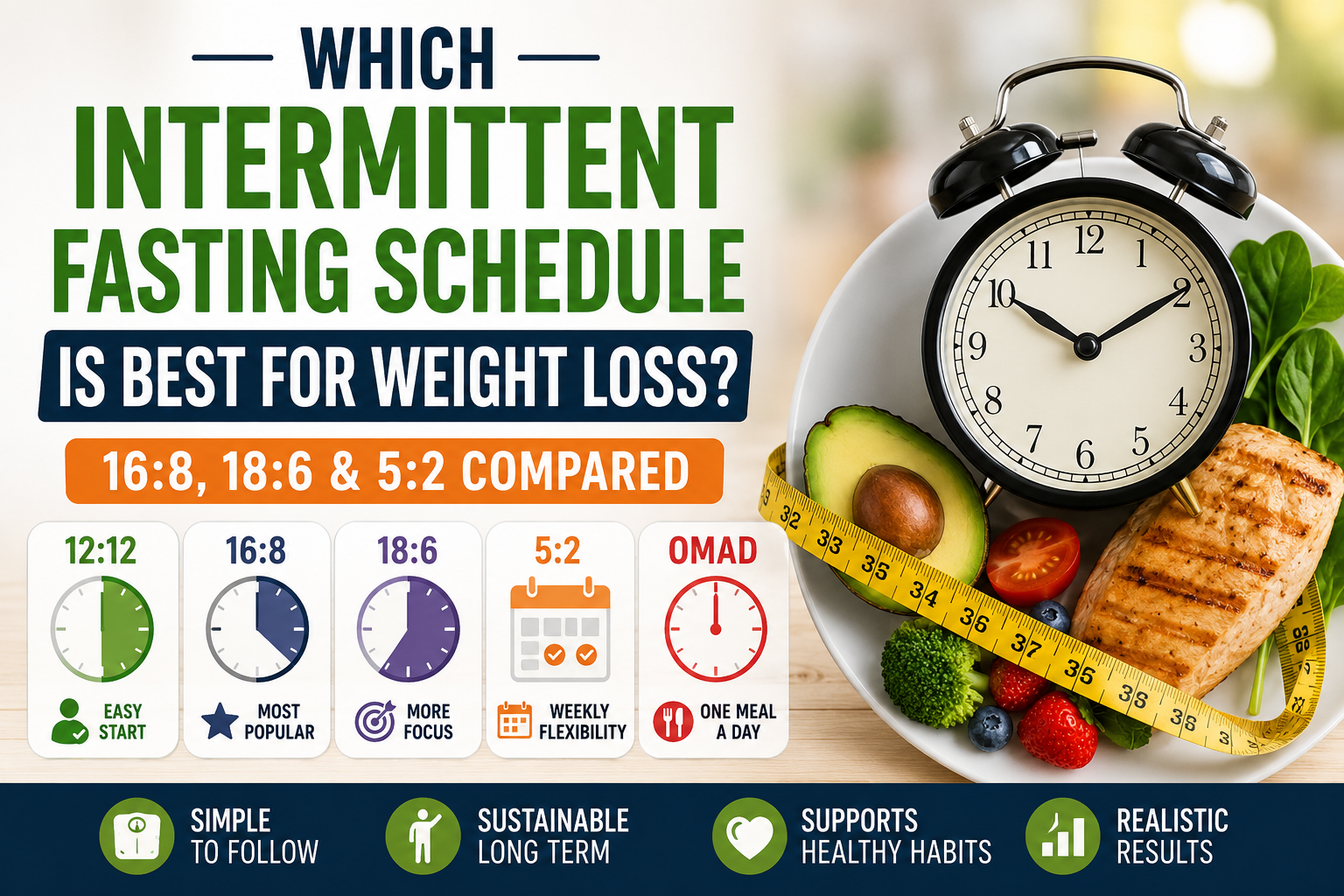
You may hear about 12:12, 14:10, 16:8, 18:6, 5:2 and even one-meal-a-day fasting. So which intermittent fasting schedule is actually best for weight loss?
The short answer is that there isn’t one schedule that is automatically best for everyone.
A longer fasting period does not necessarily mean faster weight loss. The most useful schedule is usually the one you can follow consistently without making healthy eating, work, family meals or social activities unnecessarily difficult.
Research on intermittent fasting is also more nuanced than some online claims suggest. A 2026 Cochrane review of 22 randomized studies involving 1,995 adults found that intermittent fasting may make little to no difference in weight loss compared with traditional dietary advice. At the same time, other research has found that some forms of time-restricted eating can help reduce body weight and body fat in certain groups.
So instead of asking which fasting schedule is the most extreme, a better question is:
Which schedule can you realistically follow while still eating a nutritious diet?
Let’s compare the most common options.
What Is an Intermittent Fasting Schedule?
Intermittent fasting is an eating pattern that focuses mainly on when you eat rather than simply what foods you eat.
With time-restricted eating, you choose a period during which you eat and then fast for the remaining hours. For example, a 16:8 schedule means fasting for 16 hours and eating during an 8-hour window.
Other forms, such as the 5:2 approach, organize fasting differently by changing food intake on particular days of the week.
Johns Hopkins Medicine describes several different intermittent fasting approaches, including daily time-restricted eating and the 5:2 method. It also notes that longer fasting periods are not necessarily better.
The important thing to remember is that intermittent fasting is not a magic switch for fat loss.
Your overall food intake, food quality, activity level, sleep, consistency and individual circumstances still matter.
If you’re completely new to the subject, our Intermittent Fasting for Beginners: A Simple Guide to Getting Started guide can help you understand the basics before choosing a schedule.
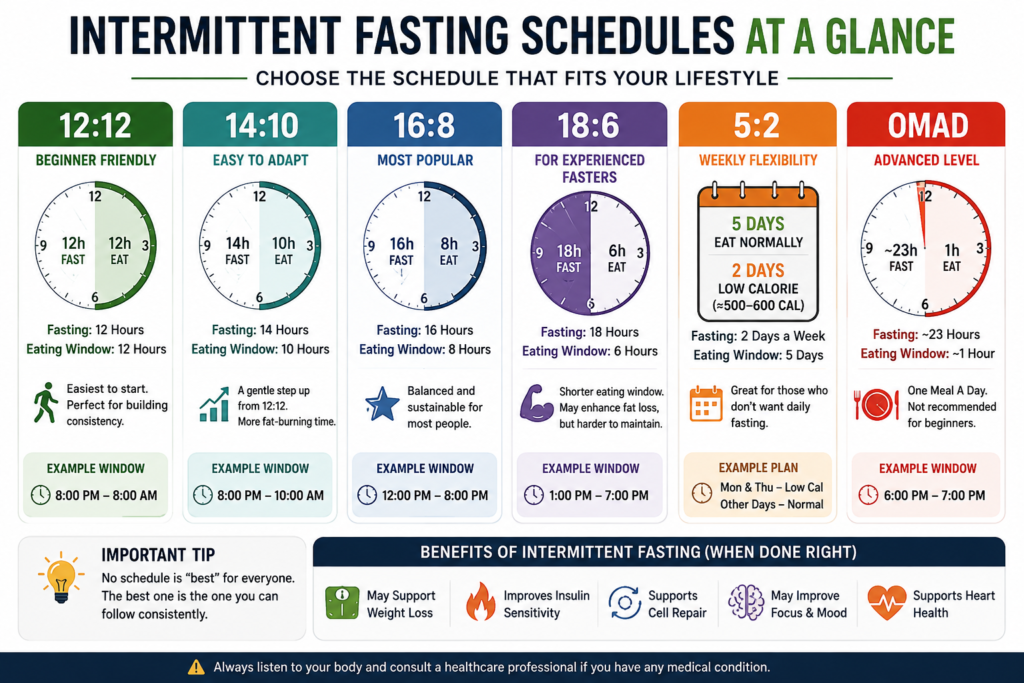
Intermittent Fasting Schedules at a Glance
Here’s a simple comparison of the most common approaches:
|
Schedule |
Fasting Period |
Eating Window |
Difficulty |
May Suit |
|
12:12 |
12 hours |
12 hours |
Easy |
People starting out |
|
14:10 |
14 hours |
10 hours |
Easy–Moderate |
Beginners wanting a gradual approach |
|
16:8 |
16 hours |
8 hours |
Moderate |
People comfortable with time-restricted eating |
|
18:6 |
18 hours |
6 hours |
Moderate–Hard |
People who already tolerate longer fasting |
|
5:2 |
2 lower-intake days |
5 regular days |
Moderate |
People who prefer weekly flexibility |
|
OMAD |
Roughly 23 hours |
One main meal |
Hard |
Not generally a beginner approach |
These schedules describe different eating patterns. They do not guarantee a particular amount of weight loss.
12:12 Intermittent Fasting
The 12:12 schedule is one of the simplest ways to experiment with time-restricted eating.
You fast for 12 hours and eat within a 12-hour window.
For example:
- 8:00 PM:Finish dinner
- 8:00 AM: First meal the next day
This approach doesn’t require a particularly long fasting period, which can make it easier to fit around work, family meals and social activities.
For someone who currently eats late at night or snacks frequently, establishing a consistent overnight fasting period may be a more realistic first step than immediately attempting a 16- or 18-hour fast.
The biggest advantage of 12:12 is simplicity.
The limitation is that the eating window is still fairly long, so it may not reduce eating opportunities as much as some shorter-window approaches.
14:10 Intermittent Fasting
The 14:10 schedule extends the fasting period to 14 hours while leaving a 10-hour eating window.
One example could be:
- 8:00 PM: Finish eating
- 10:00 AM: First meal the next day
This can be a useful middle ground for someone who finds 12:12 comfortable but doesn’t want to jump directly into 16:8.
The exact hours don’t have to be identical for everyone. Your work schedule, sleep pattern and normal meal times can influence which window is practical.
The goal is consistency, not finding a supposedly perfect clock time.
16:8 Intermittent Fasting
The 16:8 schedule is probably the most recognizable form of daily time-restricted eating.
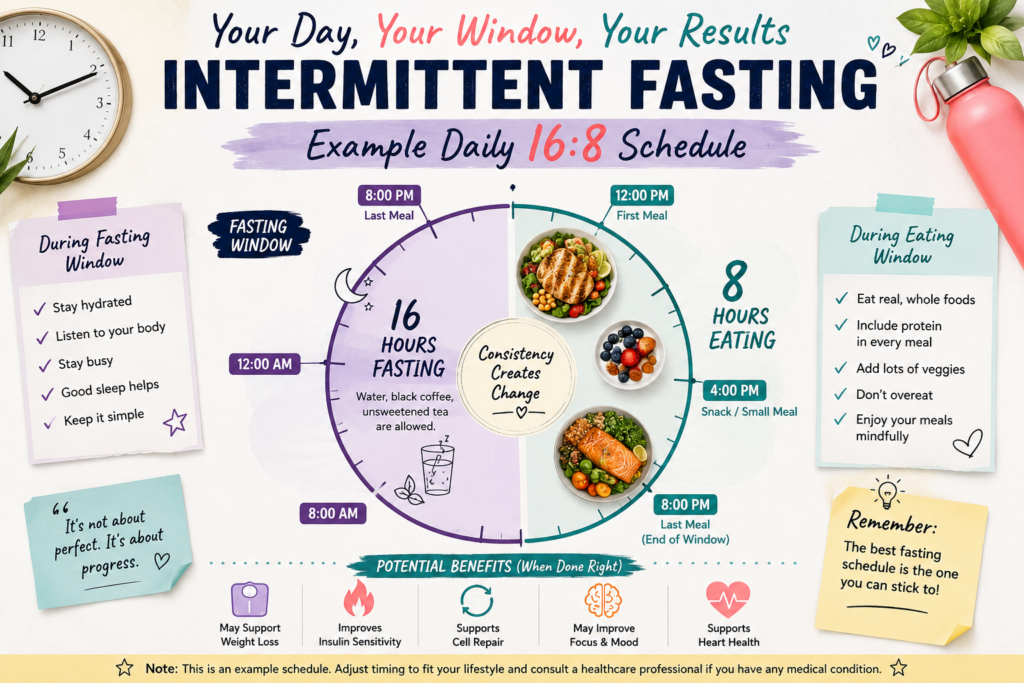
You fast for approximately 16 hours and eat during an 8-hour window.
For example:
- 12:00 PM: First meal
- 4:00 PM: Snack or small meal
- 8:00 PM: Finish eating
- 8:00 PM–12:00 PM: Fasting period
Research has examined 16:8 and other time-restricted eating patterns in people with overweight and obesity. Some reviews have reported reductions in body weight and fat mass, although results vary between studies and comparisons with other diets do not consistently show that intermittent fasting is superior.
That distinction is important.
16:8 can be a practical eating pattern for some people, but it isn’t automatically better than every other effective approach to weight management.
For some people, its main advantage may simply be that a shorter eating window reduces opportunities to snack or makes it easier to maintain a consistent routine.
18:6 Intermittent Fasting
The 18:6 schedule means fasting for approximately 18 hours and eating within a 6-hour window.
For example:
- 1:00 PM: First meal
- 7:00 PM: Finish eating
This is more restrictive than 16:8.
Some people may like the simplicity of having a shorter eating window, while others may find it difficult to eat enough nutritious food comfortably within six hours.
And here’s an important point:
There is no rule saying that 18:6 must produce better results than 16:8 simply because the fasting period is longer.
Current evidence does not establish one fasting duration as universally superior for weight loss. The 2026 Cochrane review found that intermittent fasting did not show a clinically meaningful weight-loss advantage over traditional dietary advice overall.
So moving from 16:8 to 18:6 simply because you want faster results isn’t necessarily a good strategy.
5:2 Intermittent Fasting
The 5:2 approach works differently from daily time-restricted eating.
Instead of restricting your eating window every day, you generally eat normally on five days of the week and substantially reduce your food intake on two non-consecutive days.
Different versions of the 5:2 approach use different calorie targets and meal structures, so it’s important to understand which version you’re following.
The appeal of 5:2 is flexibility.
Someone who dislikes restricting their eating window every day may find it easier to focus on two particular days each week.
The challenge is that the lower-intake days can be difficult for some people to maintain. If you’re interested in exploring a structured intermittent fasting program, you can also read our Eat Stop Eat Review 2026 to see how the approach works and what to consider before trying it.
Johns Hopkins Medicine describes the 5:2 approach as one of the established intermittent fasting patterns, while also emphasizing that longer or more extreme fasting isn’t necessarily better.
What About OMAD?
OMAD stands for one meal a day.
As the name suggests, the approach compresses most daily food intake into one main meal.
It sounds attractive because it is simple: there is very little meal timing to think about.
But simplicity doesn’t necessarily mean suitability.
Eating enough protein, fiber, fruits, vegetables and other nutrients in one meal can be challenging. It may also make social eating and normal family meals more difficult.
For beginners, there is generally no reason to assume that jumping straight to OMAD will produce better results than using a less restrictive approach.
If a moderate schedule works, there is little reason to make the process unnecessarily difficult.
16:8 vs 18:6 vs 5:2: Which Is Better?
This is where things get interesting.
If you’re comparing these three approaches, consider more than just the number of fasting hours.
16:8
Potential advantage: A relatively simple daily routine that many people can fit around work and social schedules.
Potential challenge:Some people may find a daily 16-hour fast difficult, particularly when first starting.
18:6
Potential advantage:A shorter daily eating window may reduce opportunities for unplanned snacking.
Potential challenge:The restricted window can make balanced eating more difficult for some people.
5:2
Potential advantage: You don’t have to restrict your eating window every day.
Potential challenge: The two lower-intake days may be difficult to manage consistently.
So which one wins?
There isn’t a universal winner.
The strongest choice is the schedule that fits your lifestyle and helps you maintain a sensible overall eating pattern.
Current evidence supports being cautious about claims that one intermittent fasting method is dramatically better than another. The 2026 Cochrane review found little to no difference in weight loss when intermittent fasting was compared with traditional dietary advice.
How to Choose the Right Intermittent Fasting Schedule
Instead of choosing the most aggressive schedule, start by considering your normal routine.
Consider 12:12 if:
- You’re completely new to fasting.
- You normally eat late at night.
- You want a simple starting point.
- You don’t want a major change to your meal schedule.
Consider 14:10 if:
- 12:12 feels comfortable.
- You want a slightly shorter eating window.
- You prefer a gradual transition.
Consider 16:8 if:
- You are comfortable with a longer overnight fast.
- You can fit your meals into an 8-hour window.
- The schedule doesn’t interfere too much with work or family meals.
Be cautious about 18:6 if:
- You struggle to eat enough nutritious food during the shorter window.
- You become excessively hungry or tired.
- The schedule makes social eating difficult.
- You’re considering it only because you believe longer fasting must mean faster weight loss.
Consider 5:2 if:
- You prefer weekly flexibility.
- Daily fasting doesn’t fit your lifestyle.
- You can manage the lower-intake days without feeling that the approach is overly restrictive.
The best schedule is ultimately the one you can maintain without constantly fighting against your normal routine.
What Should You Eat During Your Eating Window?
An eating window isn’t a free pass to eat unlimited amounts of highly processed food.
If your goal is weight management, the quality of your meals still matters.
Try to build meals around foods such as:
- Lean protein sources
- Vegetables
- Fruits
- Whole grains and other high-fiber foods
- Beans and legumes
- Nuts and seeds
- Healthy sources of dietary fat
- Water and other appropriate calorie-free beverages
Protein and fiber can help make meals more satisfying, while a varied diet helps you obtain important nutrients.
You also don’t need to turn every meal into a complicated diet meal.
Simple foods can work perfectly well.
For example, a balanced meal might include grilled chicken or beans, vegetables, brown rice or another whole grain, and fruit.
The eating window should make your routine easier—not turn every meal into a mathematical exercise.
7 Common Mistakes That Can Make Intermittent Fasting Harder
Even a well-designed fasting schedule can become difficult if you approach it the wrong way.
1. Starting with an extremely long fast
You don’t have to begin with 18:6 or OMAD.
Starting with a more manageable schedule can make the transition easier.
2. Treating the eating window as an unlimited eating period
If you spend the entire eating window overeating, fasting alone may not lead to the result you expect.
3. Ignoring protein and fiber
Restricting the eating window shouldn’t mean ignoring nutritional quality.
4. Choosing a schedule that doesn’t fit your life
If your routine includes regular breakfasts, late dinners or frequent social meals, an extremely narrow eating window may become frustrating.
5. Expecting instant results
Weight changes naturally fluctuate. A few days of fasting isn’t enough to judge whether a long-term strategy is working.
6. Forgetting hydration
If your fasting approach allows fluids, maintain adequate fluid intake.
7. Assuming harder means better
This may be the biggest mistake of all.
More fasting isn’t automatically more effective.
If you want a closer look at common problems beginners encounter, read our 5 Common Intermittent Fasting Mistakes Beginners Make guide.
How Long Does It Take to See Weight-Loss Results?
There isn’t a reliable number of days or weeks that guarantees a particular amount of weight loss.
Results can vary based on:
- Starting body weight
- Overall food intake
- Physical activity
- Sleep
- Consistency
- Age
- Individual health factors
- The specific fasting approach
Some people may see an early change on the scale because of shifts in water and food volume. That doesn’t necessarily represent the amount of body fat lost.
A better approach is to look at longer-term trends rather than judging your progress from individual daily weigh-ins.
And remember that research does not show intermittent fasting to be a magic shortcut. The 2026 Cochrane review found little to no meaningful difference in weight loss when intermittent fasting was compared with traditional dietary advice.
Does a Longer Fast Mean More Weight Loss?
Not necessarily. A longer fasting period does not automatically lead to greater weight loss.
It is tempting to think:
12 hours → 14 hours → 16 hours → 18 hours → more weight loss.
But the human body isn’t a simple timer.
Weight loss is influenced by overall energy intake, food choices, physical activity and many other factors. If extending your fast makes you so hungry that you overeat later, the longer fasting period may not provide the advantage you expected.
Current evidence does not establish that simply extending the fasting period guarantees better weight-loss results. In fact, the latest Cochrane review found no clinically meaningful weight-loss advantage for intermittent fasting compared with traditional dietary advice.
That is why sustainability matters so much.
Is Intermittent Fasting Safe for Everyone?
No. Intermittent fasting is tolerated by many adults, but it isn’t appropriate for everyone.
Possible side effects can include hunger, fatigue, headaches, dizziness, mood changes and digestive symptoms. Mayo Clinic notes that intermittent fasting may not be appropriate for people with eating disorders, those who are pregnant or breastfeeding, and some people at higher risk of bone loss or falls.
People with diabetes also need particular caution because fasting can affect blood glucose and medication requirements. Anyone taking diabetes medication should discuss fasting with a healthcare professional before making significant changes to meal timing.
If you have a medical condition, take medication, are pregnant or breastfeeding, have a history of disordered eating, or aren’t sure whether fasting is appropriate for you, speak with a qualified healthcare professional before starting.
This article is for general educational purposes and isn’t a substitute for individualized medical advice.
Frequently Asked Questions
There isn’t one schedule that is best for everyone. For some people, 12:12 or 14:10 may be easier starting points, while others may prefer 16:8. The best option is one that fits your lifestyle and can be followed consistently.
Not necessarily. A longer fasting period doesn’t automatically produce greater weight loss. Both approaches may work for some people, but current evidence does not establish 18:6 as universally superior to 16:8.
It can be, but it isn’t the only option. Someone new to fasting may find 12:12 or 14:10 easier to start with before deciding whether a longer fasting window fits their routine.
It is possible, particularly if establishing a regular eating schedule helps reduce overall food intake or late-night snacking. However, the fasting schedule itself does not guarantee weight loss.
There is no clear universal winner. The two approaches organize food restriction differently, so personal preference and sustainability can play a major role.
There isn’t a single scientifically proven fasting window that works best for everyone. A practical fasting period is one that you can maintain while still eating a nutritious diet.
Many intermittent fasting approaches allow calorie-free drinks such as water, unsweetened tea and black coffee during the fasting period. However, individual plans can differ, and people with certain medical conditions may need specific advice.
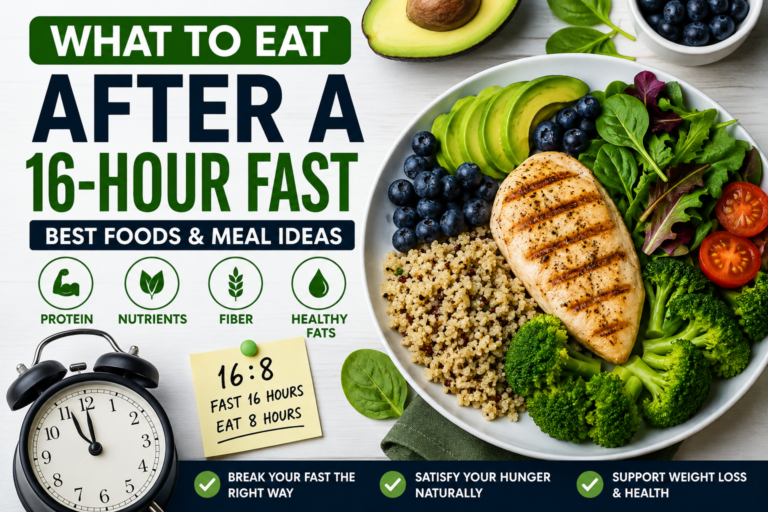
Focus on a balanced meal containing protein, vegetables or fruit, fiber-rich carbohydrates and healthy fats rather than treating the first meal as an opportunity to overeat.
Avoid judging the approach after only a few days. Give yourself enough time to establish a consistent routine and evaluate longer-term trends, while stopping and seeking professional advice if you experience concerning symptoms.
Not automatically. Longer fasting may reduce eating opportunities, but current evidence doesn’t show that simply extending the fasting period guarantees better weight-loss results.
Final Thoughts: So, Which Intermittent Fasting Schedule Is Best?
The best intermittent fasting schedule for weight loss isn’t necessarily the one with the longest fasting period.
For someone completely new to fasting, 12:12 or 14:10 may be a sensible place to start. If those schedules fit comfortably into your lifestyle, 16:8 may be a practical next option.
An 18:6 schedule is more restrictive and isn’t automatically better. The 5:2 approach offers a different type of flexibility and may suit people who don’t want to restrict their eating window every day.
Most importantly, intermittent fasting should be viewed as one possible eating pattern—not a magic weight-loss method.
Current research suggests that intermittent fasting can help some people lose weight, but it doesn’t consistently outperform traditional approaches to weight management.
So rather than asking What is the hardest fasting schedule I can follow? ask: What eating pattern can I follow consistently while still eating well and living my normal life?. For many people, that is where the most practical answer lies.