Introduction:
If you’ve been researching weight loss online, you’ve probably come across the term “intermittent fasting.”
Some people swear by it. Others find it confusing. The good news is that intermittent fasting for beginners is actually much simpler than many people think.
Unlike traditional diets that focus on what foods you can or cannot eat, intermittent fasting focuses on when you eat. For many people, this makes it easier to follow than complicated meal plans or restrictive diets.
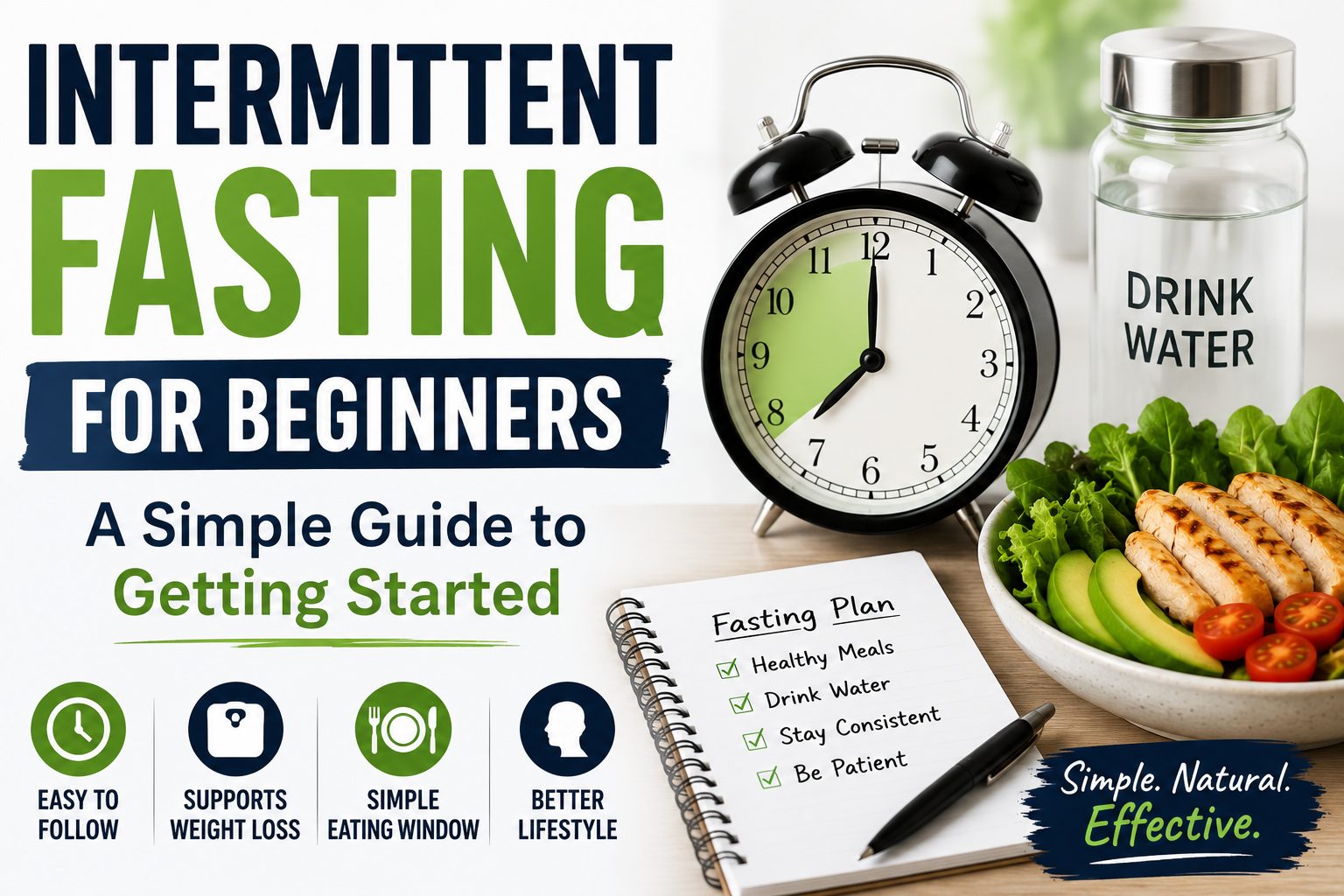
In this beginner-friendly guide, we’ll explain what intermittent fasting is, how it works, and some simple tips to help you get started.
What Is Intermittent Fasting?
Intermittent fasting is an eating pattern that cycles between periods of eating and periods of fasting.
During the eating window, you consume your meals as usual. During the fasting window, you avoid foods that contain calories and focus on water or calorie-free beverages.
Many people use intermittent fasting as a tool to help manage calorie intake and support weight-loss goals.
The main idea is simple:
Instead of eating throughout the day, you limit your eating to specific time periods.
Why Has Intermittent Fasting Become So Popular?
One reason intermittent fasting has gained attention is because it doesn’t require complicated rules.
You don’t need to buy special foods or completely eliminate entire food groups. Many people usually appreciate the flexibility.
Some potential benefits that people often mention include:
- Simpler meal planning
- Reduced snacking
- Better portion control
- Increased awareness of eating habits
- Support for weight-loss goals
Of course, results can vary from person to person.
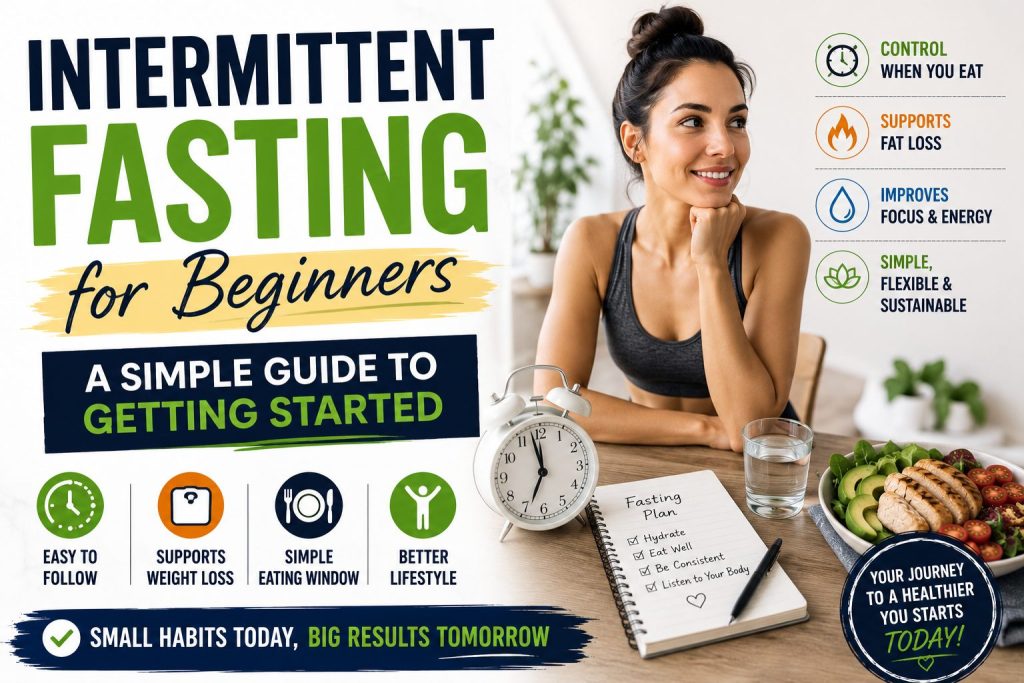
Common Types of Intermittent Fasting:
There are several different fasting methods available.
The 16:8 Method:
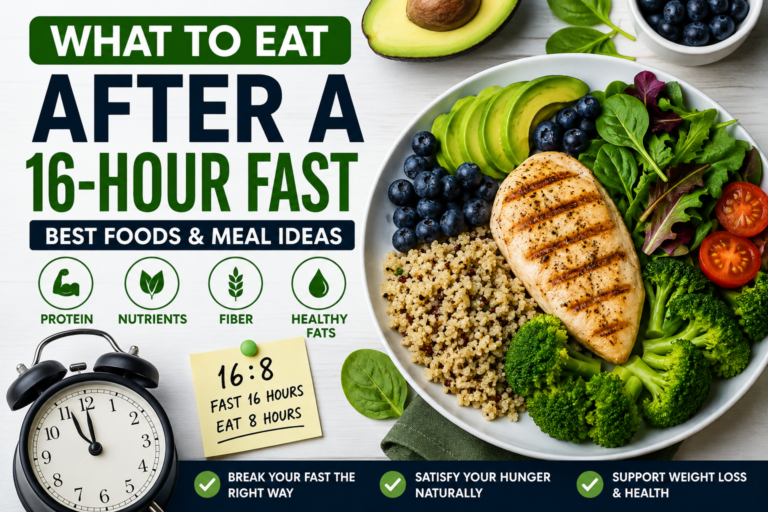
This is one of the most popular approaches for beginners. You fast for 16 hours and eat during an 8-hour window.
Example:
- First meal at 12 PM
- Last meal at 8 PM
Many people find this schedule manageable because part of the fasting period happens while they are sleeping.
The 12:12 Method:
This is often considered the easiest starting point. You fast for 12 hours and eat during a 12-hour window.
Example:
- Finish dinner at 8 PM
- Eat breakfast at 8 AM
For beginners, this can be a comfortable way to introduce fasting without feeling overly restrictive.
The 24-Hour Fast:
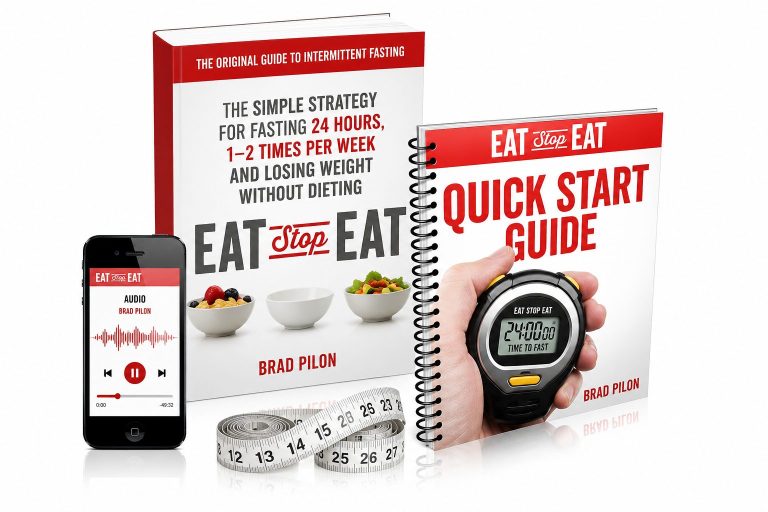
Some people choose to complete a full 24-hour fast once or twice per week.
For example:
- Eat dinner Monday evening
- Fast until dinner Tuesday evening
This method is commonly associated with programs like Eat Stop Eat and is generally more suitable for people who already have some fasting experience.
What Can You Drink While Fasting?
One of the most common beginner questions is about beverages.
Generally, people choose calorie-free options during fasting periods, such as:
- Water
- Sparkling water
- Black coffee
- Unsweetened tea
Staying hydrated is important because it can help reduce feelings of hunger and support overall well-being.
Tips for Beginners
Starting intermittent fasting doesn’t have to be difficult. Here are a few simple tips that may help.
Start Slowly:
You don’t need to jump into a 24-hour fast on your first day. Many beginners find success by starting with a 12-hour fasting window and gradually increasing it over time.
Stay Hydrated:
Drinking enough water throughout the day can make fasting more comfortable. Some people mistake thirst for hunger.
Focus on Healthy Meals:
Intermittent fasting is not an excuse to eat unhealthy foods all day. Balanced meals that include protein, vegetables, fruits, and healthy fats can help support your goals.
Listen to Your Body:
Everyone responds differently to fasting. If something doesn’t feel right, adjust your approach and consider speaking with a healthcare professional.
Be Consistent:
Small habits practiced consistently often produce better results than extreme changes that are difficult to maintain.
Common Beginner Mistakes:
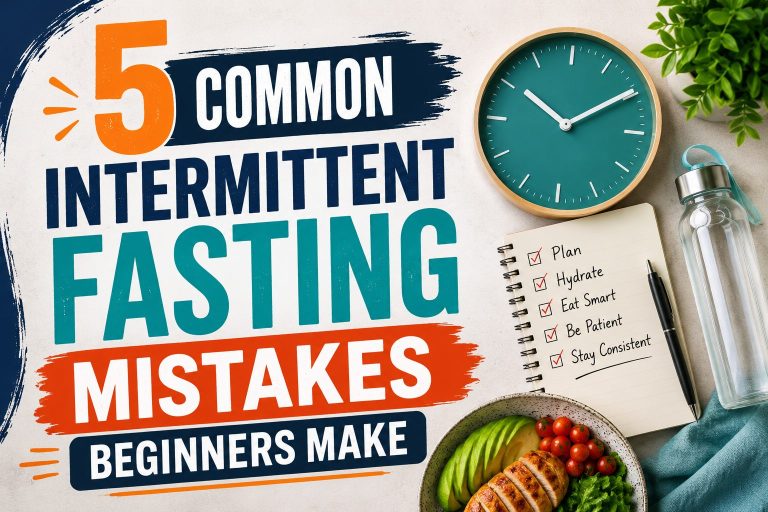
Many people make simple mistakes when they first start fasting. Some of the most common include:
Expecting Immediate Results:
- Healthy weight loss takes time.
- Fasting is not a magic solution.
Overeating After a Fast:
- Some beginners become so hungry that they overeat when their eating window begins.
- Balanced meals are usually a better approach.
Not Drinking Enough Water:
- Hydration is often overlooked but can make a big difference.
Choosing a Schedule That’s Too Difficult:
- Starting with an aggressive fasting routine may make it harder to stay consistent.
- A gradual approach often works better.
Is Intermittent Fasting Right for Everyone?
Not necessarily. While many people enjoy intermittent fasting, it may not be suitable for everyone.
Individuals with certain medical conditions, eating disorders, pregnancy-related dietary needs, or other health concerns should consult a healthcare professional before starting any fasting routine.
The best eating plan is usually one that fits your lifestyle and can be maintained long term.
Final Thoughts
Intermittent fasting has become popular because of its simplicity. Instead of focusing on endless food rules, it focuses on meal timing and building better eating habits.
For beginners, starting slowly and staying consistent is often the best approach.
Remember, fasting is not a miracle solution. Healthy eating, regular movement, quality sleep, and consistency all play an important role in long-term success.
If you’re interested in learning more about a structured intermittent fasting approach, you may also find our Eat Stop Eat Review helpful.