Affiliate Disclosure: This article may contain affiliate links. If you purchase through these links, we may earn a small commission at no extra cost to you. Thank you for your support.
Introduction
Losing weight can feel confusing these days. Every week, there seems to be a new diet promising fast results. Among the many options available, two approaches often stand out: following a smoothie-based weight loss plan and sticking to a traditional balanced diet.
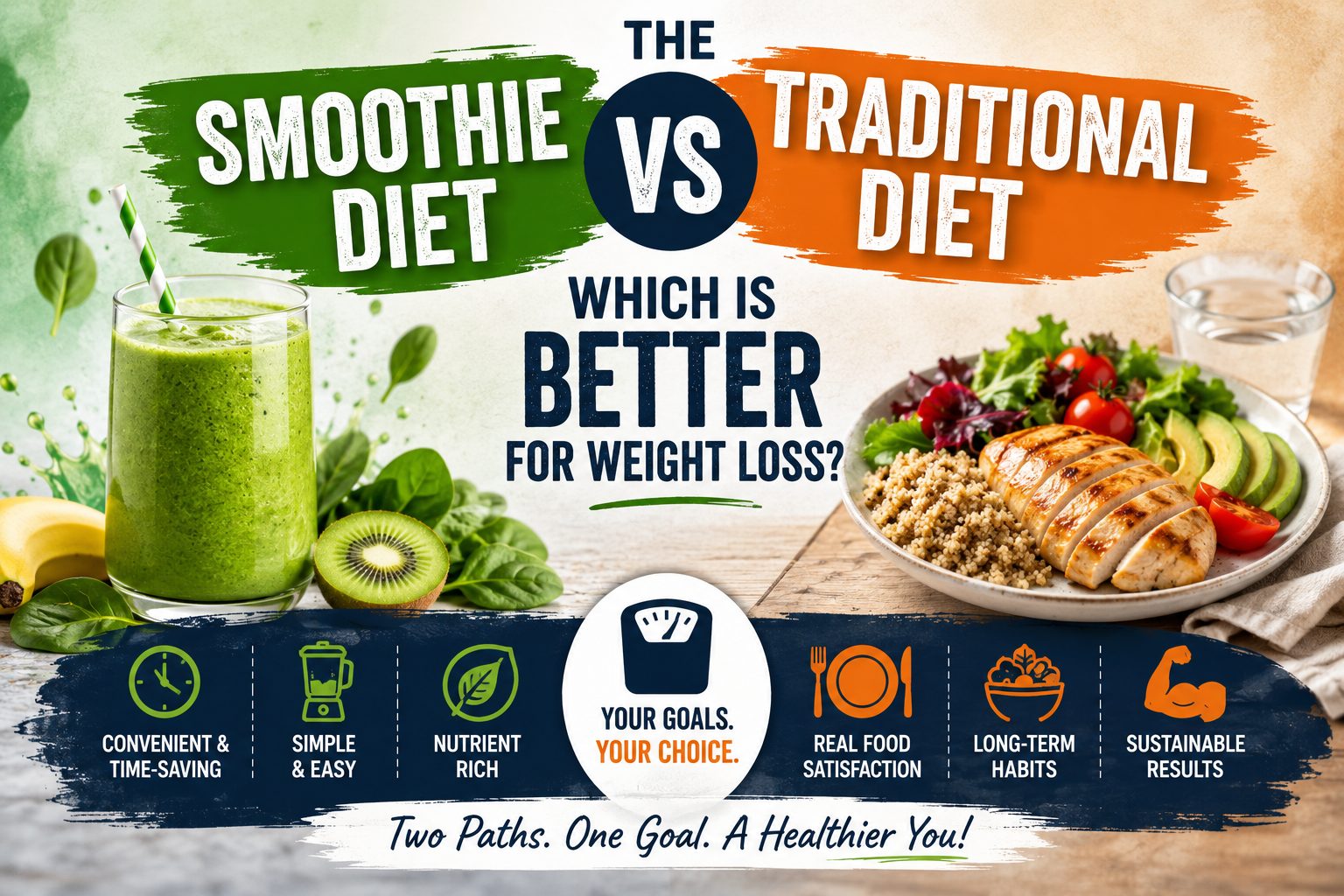
If you’ve been comparing the Smoothie Diet vs traditional diet, you’re not alone. Many people want to know which option is easier to follow, which produces better results, and which is more realistic for long-term success.
The truth is that both approaches can work, but they work in different ways. Understanding the differences can help you choose the option that best fits your lifestyle and goals.
What Is the Smoothie Diet?
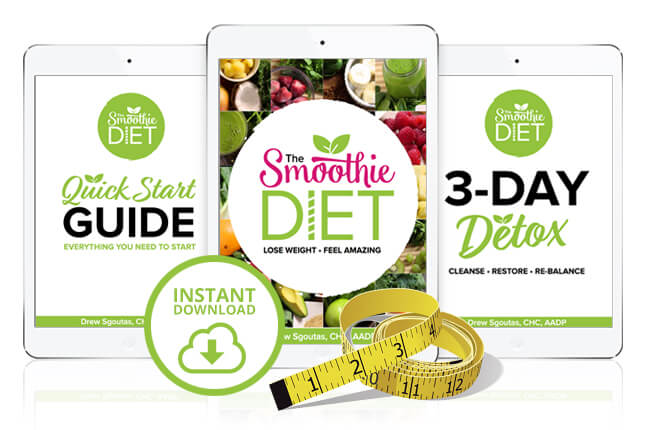
The Smoothie Diet is a structured weight loss program built around meal replacement smoothies. Instead of eating a traditional breakfast or lunch, participants replace certain meals with specially designed smoothies made from fruits, vegetables, and other nutrient-rich ingredients.
The goal is to reduce overall calorie intake while still providing important nutrients.
Many people are attracted to the Smoothie Diet for weight loss because it is simple, convenient, and doesn’t require complicated meal planning.
If you’d like a complete breakdown of how the program works, you can read our detailed Smoothie Diet Review.
What Is a Traditional Diet?
A traditional diet is what most people think of when they hear the word “diet.”
It usually involves eating regular meals throughout the day while focusing on:
- Portion control
- Balanced nutrition
- Healthy food choices
- Calorie management
A traditional diet for weight loss doesn’t require meal replacements. Instead, it encourages people to improve their eating habits while continuing to eat normal foods.
For some people, this feels more natural because they don’t have to change their daily routine as much.
Comparing the Two Approaches
Let’s look at how these two weight loss methods compare in real life.
Convenience:
One of the biggest advantages of the Smoothie Diet is convenience. Preparing a smoothie often takes only a few minutes. Busy people who struggle to prepare healthy meals may find this approach easier to follow.
A traditional diet usually requires:
- Grocery shopping
- Meal planning
- Cooking
- Portion tracking
For people with busy schedules, meal replacement smoothies can save a significant amount of time.
Learning Healthy Eating Habits:
This is where a traditional diet has an advantage. Because you’re eating regular meals, you learn how to:
- Build balanced plates
- Control portions
- Make healthier food choices
These skills can support sustainable weight loss over the long term.
While the Smoothie Diet can help create a calorie deficit, some people eventually need to learn healthy eating habits to maintain their results after the program ends.
Weight Loss Potential:
Both approaches can help with weight loss.
The main reason people lose weight on either plan is because they consume fewer calories than they burn.
Many people report quick early results with smoothie-based programs because replacing high-calorie meals with nutrient-rich smoothies naturally reduces calorie intake.
However, a well-planned traditional diet can be equally effective when followed consistently.
The most important factor is consistency rather than the specific method.
Simplicity:
One reason the Smoothie Diet has become popular is its simplicity.
Many beginners feel overwhelmed by calorie counting, meal planning, and nutrition labels.
Following a structured smoothie plan removes much of that decision-making.
For someone looking for easy weight loss methods, this simplicity can be very appealing.
Long-Term Sustainability:
This is often the deciding factor.
A diet only works if you can stick with it.
Some people enjoy smoothies and have no problem incorporating them into their routine.
Others miss eating regular meals and prefer the flexibility of a traditional approach.
When comparing the Smoothie Diet vs traditional diet, it’s important to ask yourself:
“Which option could I realistically follow for the next several months?”
The answer may be different for everyone.
Who Might Prefer the Smoothie Diet?
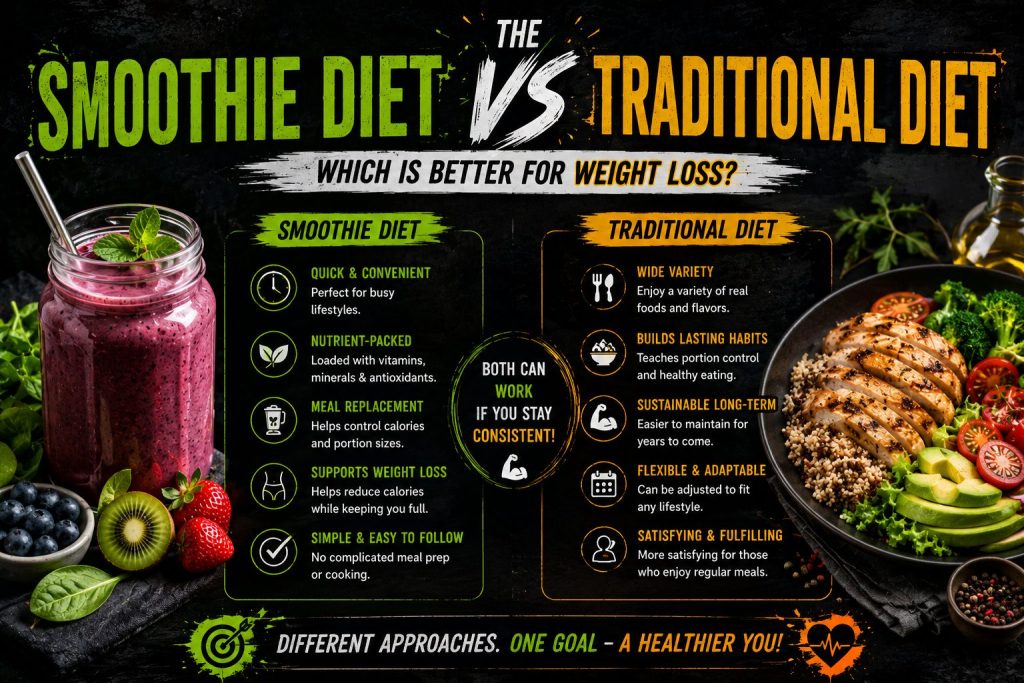
The Smoothie Diet may be a good fit for people who:
- Have busy schedules
- Want a structured plan
- Struggle with portion control
- Prefer simple meal solutions
- Need help getting started with weight loss
Many beginners appreciate having clear instructions rather than creating a plan from scratch.
Who Might Prefer a Traditional Diet?
A traditional diet may be better for people who:
- Enjoy cooking
- Prefer eating regular meals
- Want flexibility
- Focus on long-term lifestyle changes
- Don’t like meal replacement smoothies
Some people simply feel more satisfied eating solid foods throughout the day.
Which Diet Is Better for Weight Loss?
This is the question most people want answered.
The honest answer is that there isn’t one perfect solution for everyone.
The best healthy weight loss plan is the one you can consistently follow.
If smoothies make healthy eating easier and help you stay on track, the Smoothie Diet may be a good option.
If you prefer learning portion control and building healthier eating habits through regular meals, a traditional diet may be the better choice.
Success usually comes from consistency rather than choosing the “perfect” diet.
My Thoughts
When I compare the Smoothie Diet vs traditional diet, I don’t see a clear winner.
Instead, I see two different tools.
The Smoothie Diet can help people simplify their weight loss journey and get started quickly.
A traditional diet can help build long-term habits and flexibility.
The right choice depends on your lifestyle, preferences, and personal goals.
Final Verdict
If you’re trying to decide between the Smoothie Diet and a traditional diet, don’t focus only on which plan promises faster results.
Think about:
- Your schedule
- Your food preferences
- Your long-term goals
- Your ability to stay consistent
Both approaches can support weight loss for beginners when followed correctly.
The most successful diet is often the one that feels realistic enough to become part of your everyday life.
If you’re interested in learning more about the smoothie-based approach, be sure to read our complete Smoothie Diet Review, where we explore the program in greater detail and discuss its potential benefits and drawbacks.